- (610) 507.8873
- contact@stoutlawncare.com

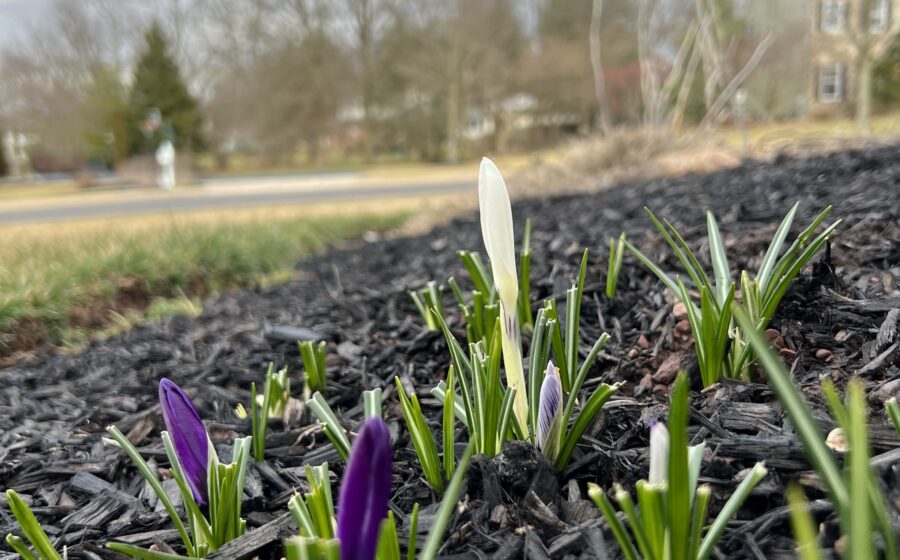
Spring is Here!!
Time to open up those windows and get some fresh air!! It’s also time to get that yard cleaned up and ready for BBQ season!
Your lawn needs a few things to be successful this season. Sunlight, airflow and water.
It’s important to clean your yard of large debris to allow that sunlight and water to get into the roots.
Now is also a great time to clear your mulch beds, do some weeding and prune those hedges. While we don’t do this type of work, we work closely with a number of landscapers in the area that do. We’d be happy to share their information with you.
Another important aspect to look at is standing water. Clean out those gutters and dump any standing water you have in the yard. This will help tremendously with insect control.

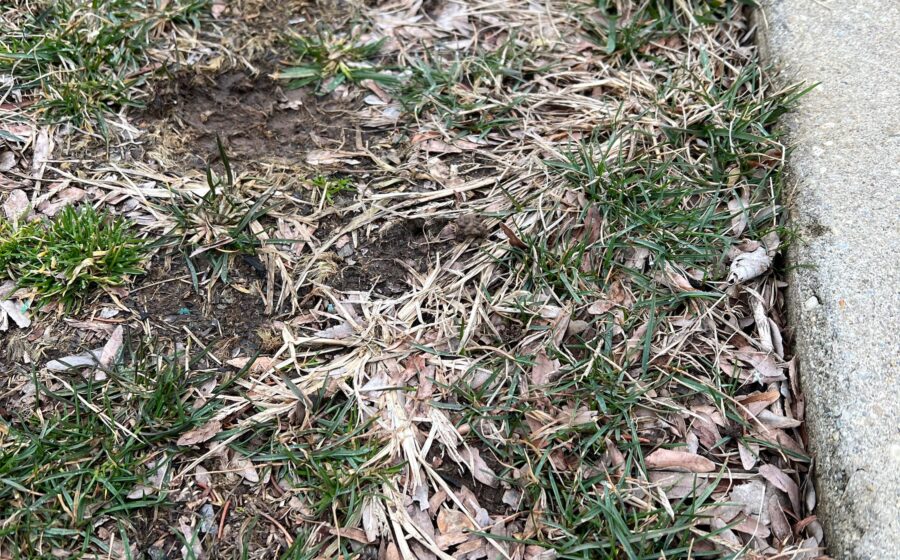
Crabgrass! Why the first two applications are so important…
Crabgrass is a warm-season annual that germinates, lives and dies all in the same year. While they live, each crabgrass plant produces up to 150,000 seeds. With hundreds of thousands of crabgrass seeds potentially waiting in your lawn, preventing their successful germination is essential.
A well timed application of pre-emergent and a good nutrient rich fertilizer will help stop that germination and invasion. Pre-emergents work by inhibiting seed germination and root development so that seeds can’t become established plants.
Because crabgrass preventers only work before crabgrass seedlings emerge through the soil, timing applications right is critical to success. Crabgrass starts germinating when soil temperatures warm to 55 degrees Fahrenheit for four to five days in a row. A few or more warm days will not be a factor as the soil temperature takes a little longer to rise.
If your lawn hasn’t been treated in the past, it could take 1-3 years to fully control crabgrass.
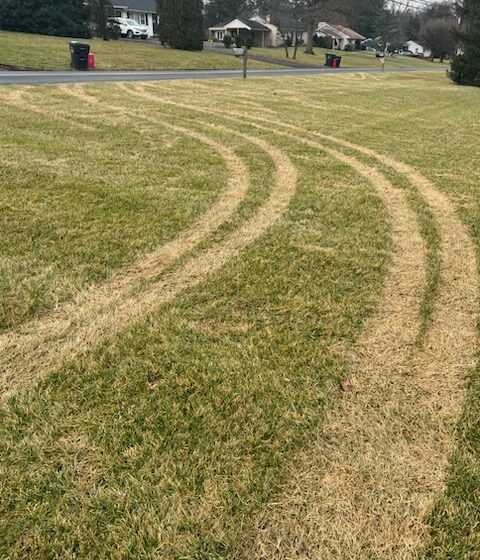
Frozen Grass Damage
Frozen grass is very delicate and can be damaged easily by foot traffic or cars driving over it. Most times the grass will recover in the spring growing season but it will look like an alien walked or drove over your lawn until then. It is best to keep traffic to a minimum on a frozen lawn.
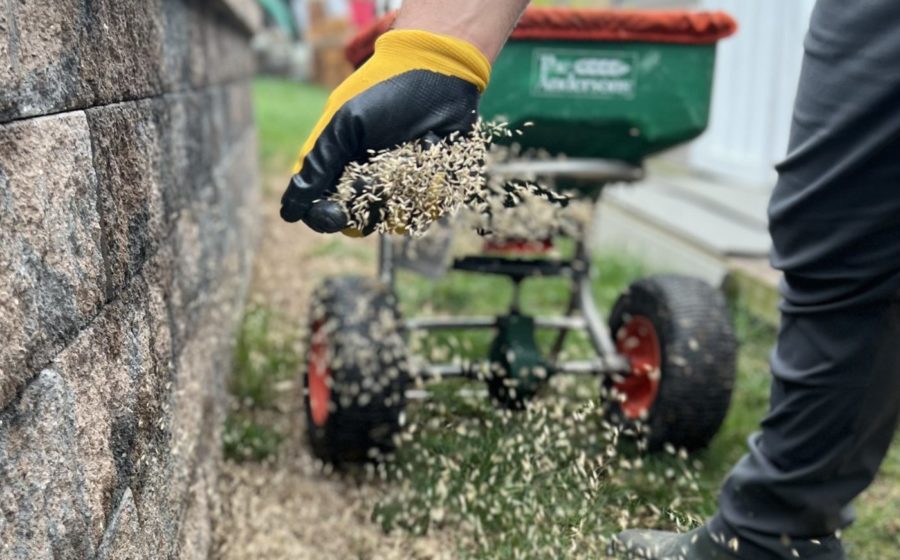
Aeration & Overseeding After Care Instructions
AERATION & OVERSEEDING
Before & After Care Guide
Aeration and overseeding is one of the best ways to improve the density, health and appearance of your lawn. The work we perform is only part of the process, the care your lawn receives afterward is just as important.
Please review the information below before and after your service. Following these recommendations will give your new seed the best opportunity to germinate and establish successfully.
BEFORE YOUR SERVICE
WHAT DO I NEED TO DO BEFORE SERVICE?
The most important thing is making sure we have clear access to the areas being treated.
Please remove toys, hoses, lawn furniture, decorations, pet items and other objects that may interfere with our equipment.
DO I NEED TO MARK SPRINKLER HEADS OR OTHER ITEMS?
YES!
Please clearly mark any items that may be hidden in the lawn or difficult for our technicians to see, including:
Sprinkler headsInvisible/electric dog fencesLow-voltage lightingIrrigation linesDrainage systemsInvisible pet containment systemsOther underground or surface-level itemsWe cannot be responsible for damage to unmarked sprinkler heads, irrigation systems, invisible fences, lighting, underground lines or other items that are not clearly marked before service.
If you have an underground system or item that you are unsure about, please mark its location before our crew arrives.
WHAT TO EXPECT AFTER YOUR SERVICE
MY LAWN LOOKS ROUGH. IS THAT NORMAL?
Absolutely!
Aeration and overseeding is not designed to leave your lawn looking perfectly manicured immediately after service. You may notice small soil plugs throughout the lawn, seed visible on the soil surface, areas of disturbed soil, tire or equipment marks, slightly rough or uneven areas. These are normal parts of the process and are necessary to create better seed-to-soil contact.
Don’t rake or clean up the lawn after service. Let the process work.
AFTER YOUR SERVICE
WATERING IS THE MOST IMPORTANT PART!
Once your service is completed, your new seed needs consistent moisture to germinate.
The goal is to keep the seedbed evenly moist, not saturated and not allowed to dry out.
Water lightly and frequently enough to keep the soil surface from drying out. Watering in the early morning or evening is ideal.
Continue this consistent watering until the new grass has germinated and begun establishing. That means watering every day for 14-21 days.
Do not rely on a specific number of minutes or hours. Every irrigation system and lawn is different. The amount of water needed depends on your soil, weather, irrigation coverage and exposure to sun.
Once the new grass is established, gradually transition back to your normal watering routine.
IMPORTANT: If the seed dries out during the germination process, it can significantly reduce germination.
SHOULD I PICK UP THE SOIL PLUGS?
No! Leave them where they are.
After core aeration, you’ll see small soil plugs scattered throughout your lawn. These are a normal and beneficial part of the process.
The plugs will naturally break apart through rainfall, watering and mowing, returning soil and organic matter back into the lawn.
There is no need to rake or remove them.
CAN I WALK ON THE LAWN AFTER AERATION & OVERSEEDING?
Try to keep foot traffic to a minimum.
Newly seeded areas are vulnerable while the seed is germinating and establishing. Excessive traffic can disturb the seed, compact the soil and damage young seedlings.
Keep unnecessary foot traffic off the lawn for at least two weeks.
Avoid heavy recreation, repeated walking and other unnecessary activity until the new grass has become established.
Pets can also cause significant damage to newly seeded areas, so please limit their activity whenever possible.
WHEN CAN I MOW?
Your existing grass may continue to grow after your service, but the new seedlings are very tender.
Ideally, wait until the new grass has germinated and established enough to tolerate mowing. When you do mow,
Use a sharp mower blade, mow when the lawn is relatively dry, keep your mower on a high setting—approximately 3½–4 inches, avoid turning sharply or making repeated passes over newly seeded areas and leave the grass clippings on the lawn whenever possible. Also, do not scalp the lawn, keeping the grass taller helps protect developing seedlings and encourages stronger root development.
HOW LONG DOES IT TAKE FOR THE GRASS TO GROW?
Germination time depends heavily on weather, soil temperature, moisture and the type of grass seed.
Under favorable conditions, you may begin seeing new grass in approximately 10–14 days. As temperatures cool, germination can take 14–28 days or longer.
Different seed varieties germinate at different rates, so don’t be concerned if some areas begin filling in before others.
Patience is important! Overseeding is a process, not an overnight transformation. The grass will continue to grow next spring as well.
WHEN WILL I SEE THE FULL RESULTS?
Your lawn will continue to thicken and mature after germination. The first few weeks are focused on getting the seed to germinate and establish roots, but the full results of your overseeding will not be visible immediately.
Your lawn will continue to develop throughout the fall as the new grass establishes and strengthens its root system. As winter arrives, the lawn will naturally enter dormancy and growth will slow or stop. This is completely normal and does not mean the new grass has failed.
When temperatures warm back up in the spring, your lawn will come out of dormancy and the new grass will resume active growth. This is when you will begin to see the true results of your fall aeration and overseeding.
Think of it as a process:
FALL → Germination & Establishment → WINTER → Dormancy → SPRING → New Growth & Final Results
Weather, soil conditions, moisture, sunlight and existing lawn conditions can all affect how quickly your lawn develops.
Be patient! A successful fall overseeding is an investment that continues working through the fall and winter, with the best results becoming evident as your lawn comes back to life in the spring.
THE BOTTOM LINE
WATER • STAY OFF • BE PATIENT
The three most important things you can do after your aeration and overseeding service are:
- WATER
Keep the seedbed consistently moist during germination. - STAY OFF THE LAWN
Limit foot and pet traffic while the new grass is germinating and establishing. - BE PATIENT
New grass doesn’t appear overnight. Weather, soil conditions and seed varieties all affect germination time.
Aeration and overseeding gives your lawn the opportunity to become thicker, healthier and more resilient—but proper aftercare is what helps turn that opportunity into results.
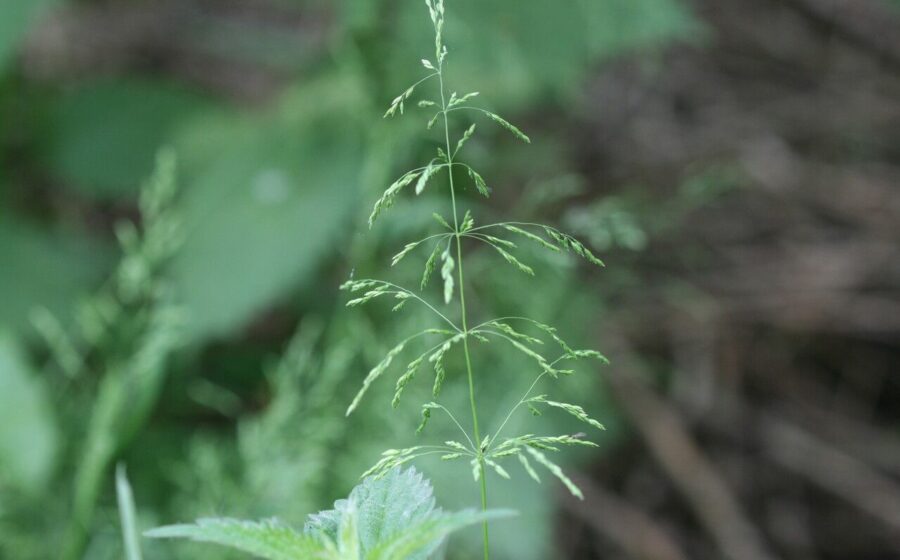
Why are some of my grasses different colors?
The simple answer is, we live in a transition zone and that allows for multiple different types of grasses to survive and thrive during different times of the growing season. For instance, fescues, bluegrasses and rye-grasses prefer cool nights and warm days, which is aligned with our northeast climate. Now…with that being said, we do live in a “transition” zone. Sometimes, southern grasses can survive and thrive in our climate. Some examples of these grasses are zoysia, bent and Bermuda. Fortunately, not having a monoculture is a good thing. You want different types of grasses in your lawn at all times. This will prevent a total loss if something effects one type of grass.
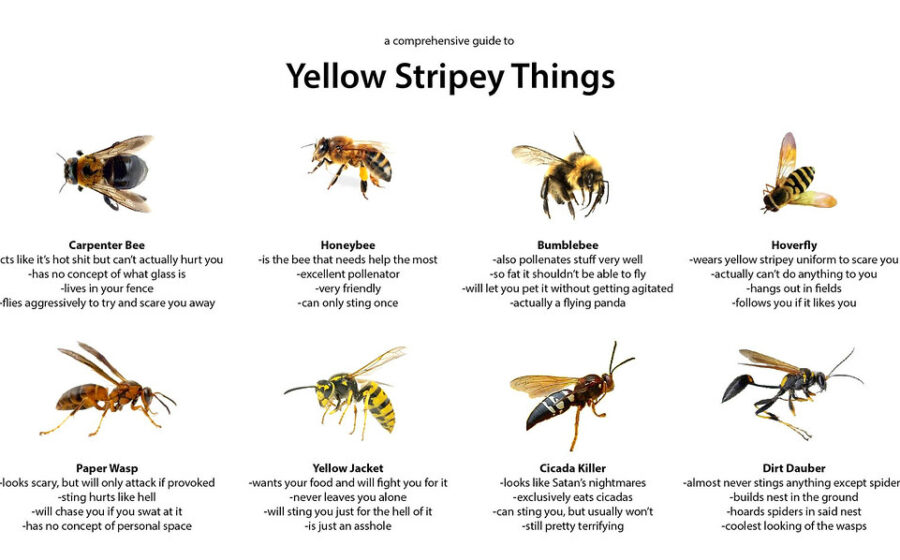
To Bee or not to Bee
To Bee or not to Bee, that is the question. With April showers past us, it’s time for those beautiful May flowers. With those flowers comes the all important Bee. These guys and gals are busy pollinating away and making that delicious honey. Bees can be a nuisance but they are way more beneficial than bad. Here is a quick list to help identify these all important insects.
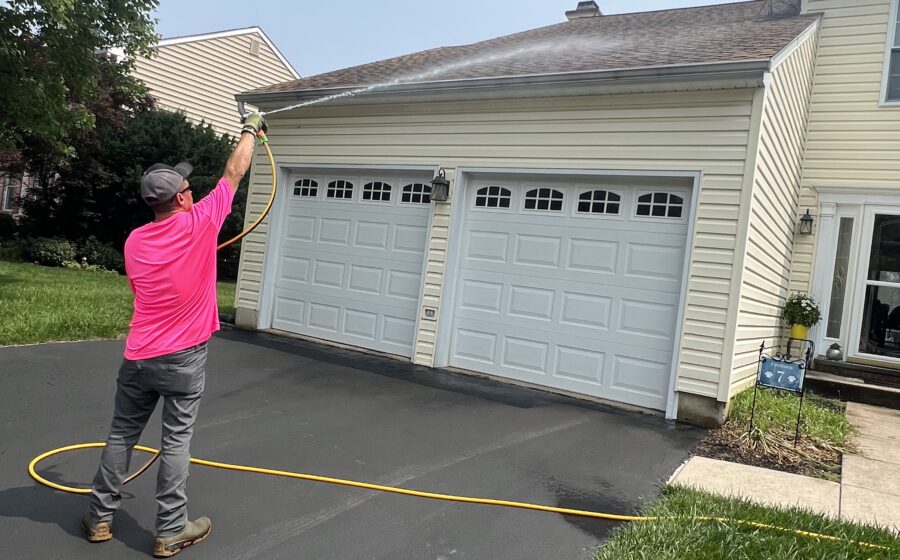
Outdoor Insect Prevention
With the warmer temps approaching it time to start breaking out all the outdoor furniture. Get those patios and deck hosed off and cleaned up for all those outdoor gatherings. What does that also mean, bugs and lots of them.
The first thing that can be done is to clean those gutters. Debris and leaves get stuck, causing areas where water builds up and mosquitoes and other insects can thrive. We always recommend cleaning them 1 to 2 times a year, usually spring and fall.
Take a look around your property and look for any standing water, maybe some old flower pots or left over winter toys.
Change out those lightbulbs….Replace your white bulbs with yellow bulbs, the yellowish light is undesirable to some insects.
Also here are a couple plants that help control the insects. So on your next trip to the home store stop and grab a couple of these plants, and plant them around all those hang out spots.
Lemongrass
Petunias
Chrysanthemums
Marigolds
Lavender
Lemon Thyme
Mint
Sage
Rosemary
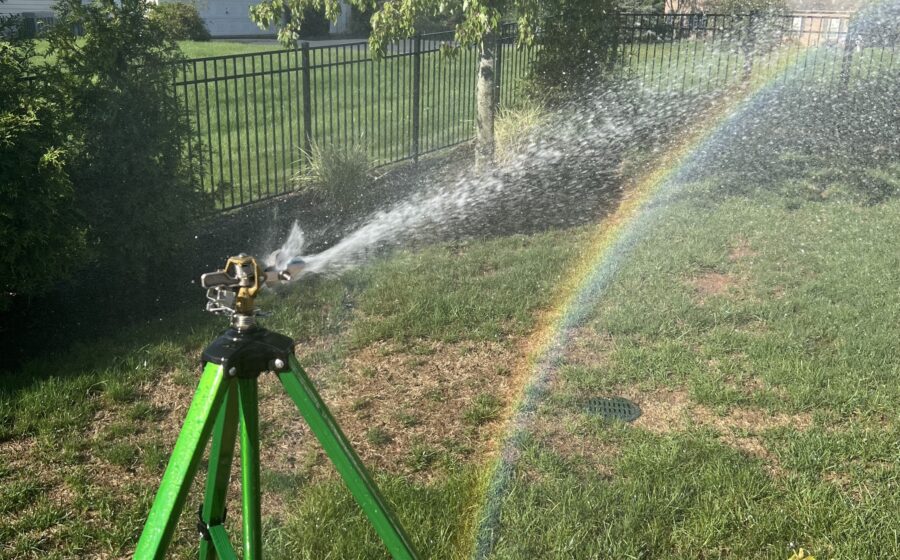
SHOULD WE WATER IN THE SPRING?
Not in most cases. But, (there’s always a but) it really does depend on the weather. In any typical year during April and May, Mother Nature will provide adequate rainfall for your turf. In some years, she may even provide too much moisture. In those cases, we would recommend our Fungicide Program to correct any issues that may arise.
In the extremely rare case of a dry May, we would recommend weekly watering, but of course, we will send you a note proactively to remind you. Check back in late May for updates on our Summer time watering advice.
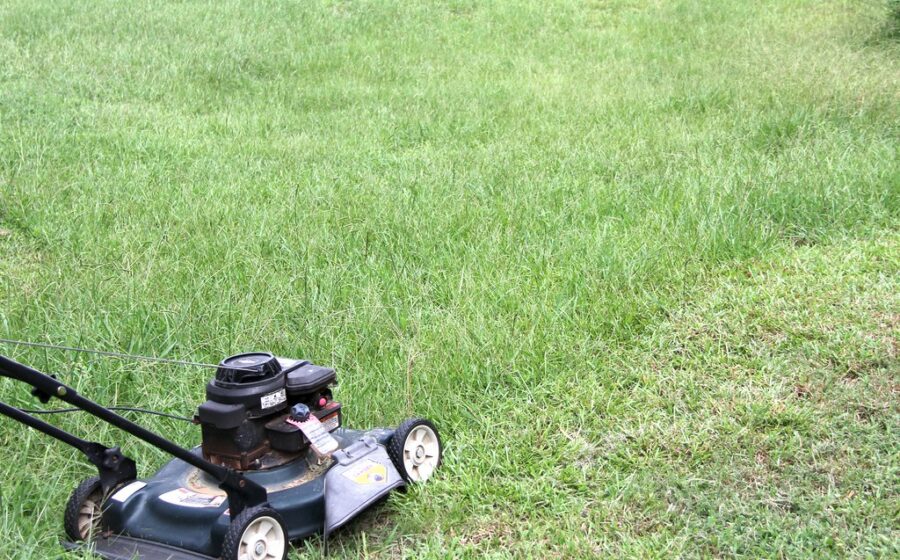
Proper Mowing
Why is mowing so important? It can be the most important determining factor in a successful lawn. Here are some tips we recommend:
1. Mow High. We recommend 3.5” to 4” (this typically are the top 2 settings on your mower) The longer the grass , the deeper the roots grow, giving them better access to water and nutrients.
2. When to start? Give you grass a change to come fully out of its winter dormancy phase. Let it get a little shaggy, maybe your neighbors will look at you a little funny. Give it an extra week and then mow on the highest setting. This will get your lawn ready for the mowing season.
3. Train your grass. Once you have the lawn at 3.5” to 4”, keep it there! When the hot/dry summer months start, switch to a bi-weekly mowing schedule. If in a drought situation and not watering, wait until the grass starts to grow again, typically after a few storms.
4. Sharp mower blades! Our recommendations is to buy an extra set and keep one set sharp at all times. Switch them out 2 times a year, spring and late summer. Sharp blades can reduce the likelihood of disease by up to 25%.
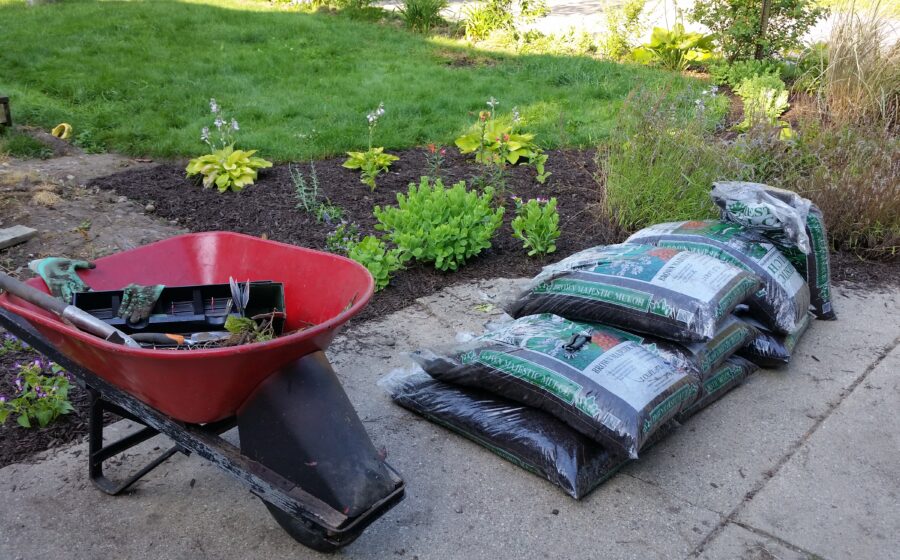
Mulching
Why are you hearing so much about mulch this time of year?
There are a couple different reasons but mainly, weeds. Nobody likes them and they are hard to keep out of the flower beds.
Here are a couple of helpful tricks for your mulching process and some ways to improve the lawn too.
- Use good mulch. Most local nurseries have a great selection of high quality mulch. Most of these companies will deliver it right to your doorstep at a pretty good price. Most of them can also help you with measurements and/or estimates on how much you would need. Who doesn’t like supporting they’re local nurseries instead of the big box stores?
- Edges, edges, edges. We can’t stress enough how important it is to have a defined edge between your mulch beds and your turf. These edges will help keep weeds out of the lawn and also help with proper drainage. We recommend edges to be at least 2 to 4 inches deep.
- Using pre-emergent 2 to 3 times a year can greatly reduce the amount of weeds that you see in your beds. All of these nurseries have it available in many different size options. We would recommend putting down pre-emergents once in the early spring, once in late spring, and once in late fall. By doing this, you can greatly reduce the amount of weeds in your flower beds, which reduces the chances that those weeds could reach your lawn.
- Maybe hold off an extra 2 weeks. Most people want to get their flowerbeds looking sharp for the spring but that can sometimes have an adverse reaction. Oftentimes, trees are sprouting new growth that comes with a lot of debris and undesirable objects in the mulch. We recommend waiting till the very end of April or even mid May to mulch. This will also help avoid April showers that can wash away some of the color.
- Lastly, if you’re not up for the task, please reach out to a local landscaper in your area. If you cannot find one please give us a call and we have many different companies that we can recommend in the Tri-County area.
- ‹ Previous
- 1
- 2
- 3
- Next ›