- (610) 507.8873
- contact@stoutlawncare.com


Save Your Lawn with Strategic Edging
Save Your Lawn with Strategic Edging
Continue Reading
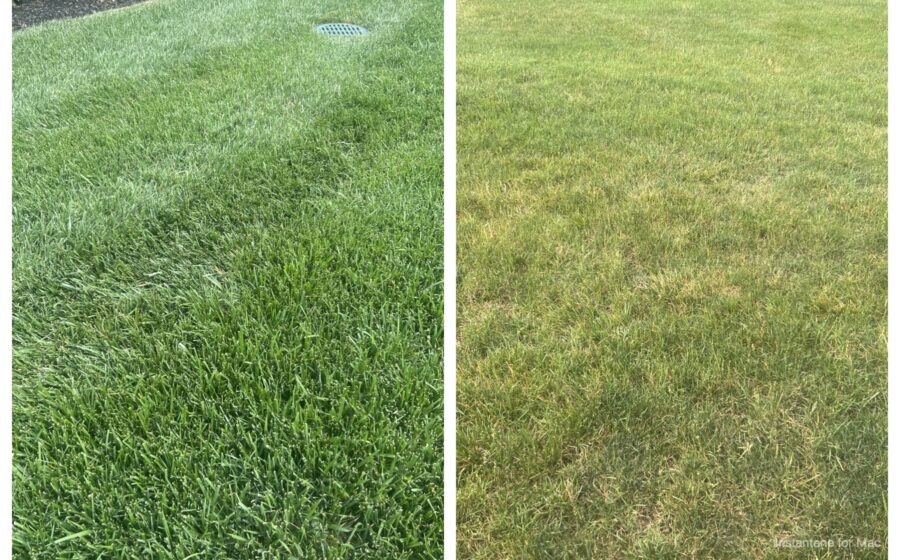
The Grass You Choose Makes All the Difference
The type of grass species you choose for your lawn can make all the difference in your lawn care journey
Continue Reading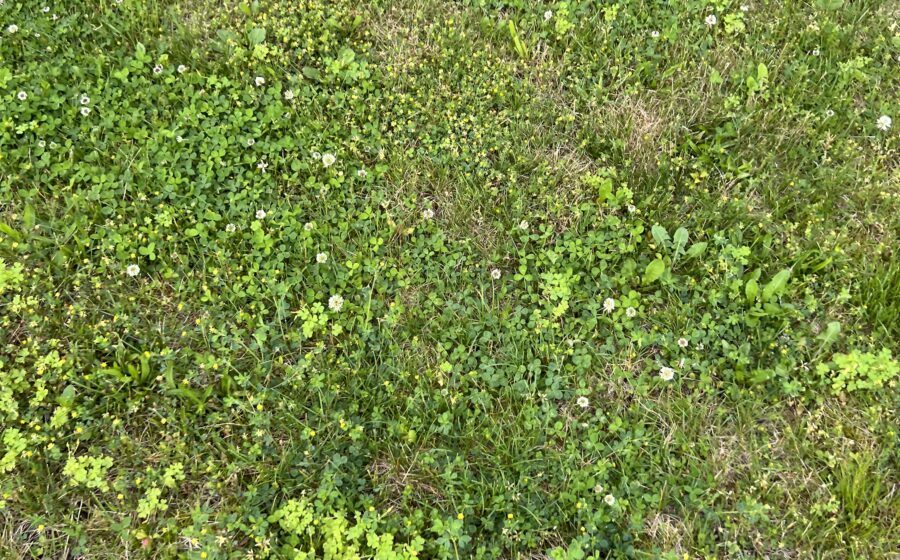
Taming the Weeds for a Healthier Lawn
Is your lawn looking more like a weed patch than a lush green oasis? You’re not alone! Check out this picture of a patch of grass that’s hosting nearly every weed known in our area.
Why Weed Control Matters:
 Healthy Turf: Weeds compete with grass for sunlight, water, and nutrients. Effective weed control ensures your lawn gets what it needs to thrive.
Aesthetic Appeal: A weed-free lawn looks better, making your outdoor space more inviting and enjoyable.
Disease Prevention: Some weeds can harbor pests and diseases that might spread to your grass, weakening it further.
Easier Maintenance: Fewer weeds mean less work. Regular mowing and maintenance become simpler and more efficient.
Top Tips for Effective Weed Control:
Regular Mowing: Keep your grass at the right height to shade out weed seeds. Mowing too short can stress your grass and make it easier for weeds to take hold.
Proper Watering: Water deeply and infrequently. Shallow watering encourages weed growth, while deep watering strengthens grass roots.
Aeration/Overseeding: Aerating and overseeding your lawn will improve soil health and introduce desired grasses, making it harder for weeds to compete.
Use Herbicides Wisely: Selective herbicides target specific weeds without harming your grass.
Regular Fertilization: A well-fertilized lawn is more competitive against weeds.
Remember, the best defense against weeds is a healthy, dense lawn. Invest in proper lawn care, and those pesky weeds won’t stand a chance!
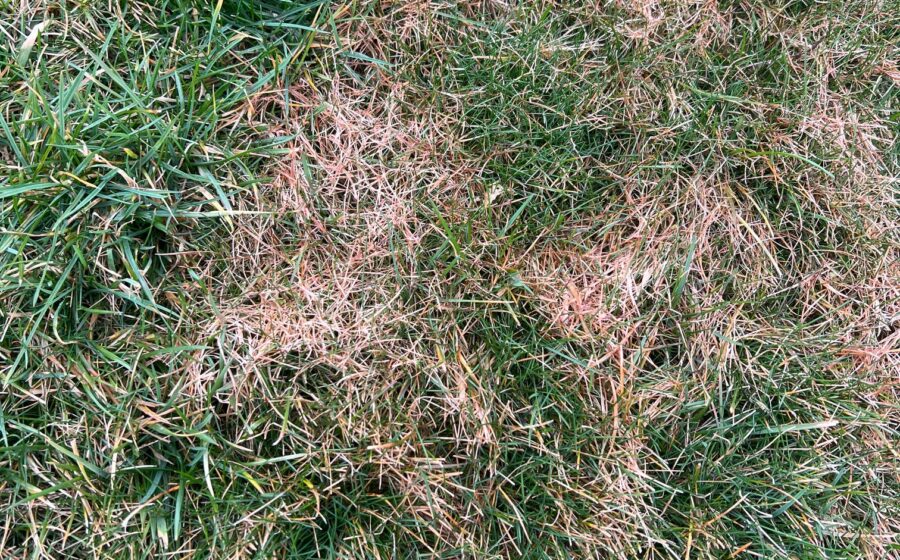
Understanding Common Turf Disease
Common Cool-Season Grass Diseases:
- Red Thread: This fungal disease is notorious for its reddish-pink threads that give infected grass blades a distinctive appearance. It thrives in cool, moist conditions, often making an appearance in early spring or late fall.
- Dollar Spot: Characterized by small, circular patches of bleached or tan-colored grass, Dollar Spot is another common cool-season disease. It tends to emerge during periods of high humidity and inadequate nitrogen levels.
- Snow Mold: As the name suggests, Snow Mold typically occurs in areas where snow cover persists for an extended period. It presents as circular patches of matted, straw-colored grass, often with a white or pinkish fungal growth.
How to Protect your lawn:
Cultural Practices: Maintain proper lawn care practices, including regular mowing, adequate watering, and appropriate fertilization. Healthy turf is more resilient to diseases.
Rotate Fungicides: If necessary, utilize fungicides to control the spread of diseases. Rotate between different types of fungicides to prevent the development of resistance.
Improve Air Circulation: Promote air circulation by pruning trees and shrubs, as well as avoiding excessive thatch buildup. This helps reduce humidity and create an environment less favorable to fungal diseases. Aeration in our area typically does the trick as our cool season grasses do not create as much thatch as warm season grasses.
Monitor Moisture Levels: Be mindful of watering practices, ensuring that your lawn receives enough moisture without becoming waterlogged. Proper drainage is essential to prevent the onset of diseases like Red Thread and Dollar Spot.
Early Detection: Keep a close eye on your lawn for any signs of disease, such as discolored patches or unusual growth. Early detection allows for prompt action and better control of the situation.
By implementing these strategies, you can safeguard your cool-season grass from the threat of diseases and maintain a lush, healthy lawn year-round. Remember, proactive management is key to keeping your turf in tip-top shape!
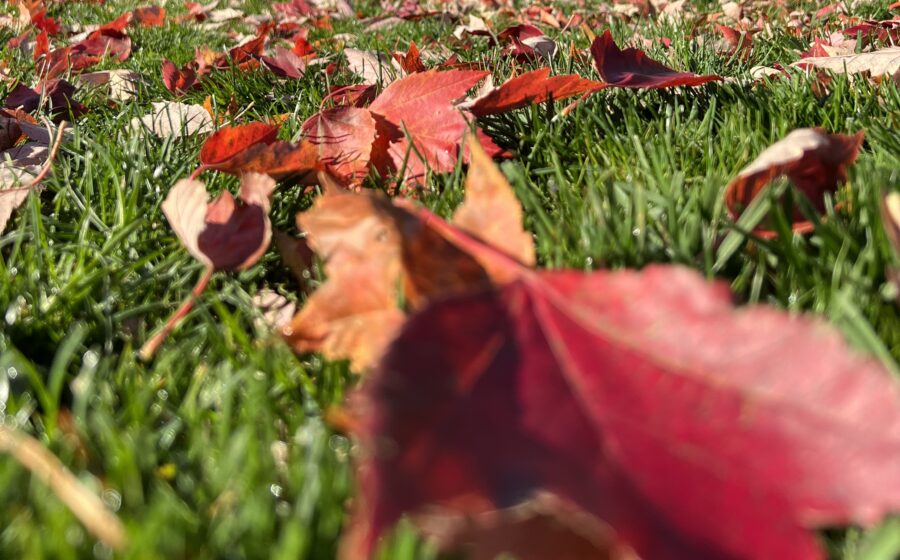
Importance of Fall Lawn Care
- Prepare for Winter Resilience: Fall fertilization provides your lawn with the essential nutrients it needs to build strong, healthy roots before winter sets in. By strengthening the root system now, your lawn will be better equipped to withstand harsh winter conditions, including freezing temperatures and potential stressors like snow mold and ice damage.
- Promote Spring Green-Up: Properly fertilizing your lawn in the fall sets the stage for a vibrant and lush spring green-up. As temperatures rise and the growing season begins anew, your lawn will already have the necessary nutrients stored in the roots, ensuring a faster and more vigorous growth come springtime.
- Weed Suppression: Fall is the ideal time to tackle those persistent weeds. As temperatures drop, weed growth slows down, making them more susceptible to weed control treatments. Applying weed control measures in the fall not only helps eliminate existing weeds but also prevents new weeds from taking hold in the following seasons.
- Reduce Spring Workload: By focusing on fertilization and weed control in the fall, you effectively reduce the workload and stress on your lawn during the busiest time of the year – spring. With a healthy lawn already established, you’ll spend less time combating weeds and nurturing struggling grass, freeing you up to enjoy your outdoor spaces.
- Enhance Overall Lawn Health: A well-fertilized and weed-free lawn is a healthy lawn. Fall provides the perfect conditions for grass to absorb and utilize nutrients effectively. This not only ensures better growth and color but also strengthens the lawn’s resistance against diseases, pests, and environmental stressors.
- Maximize Fertilizer Effectiveness: During the fall, cool-season grasses experience a surge in growth and absorption of nutrients. Applying fertilizer at this time maximizes its effectiveness, as the grass actively takes up the nutrients and stores them for winter. Additionally, nutrients applied in the fall remain in the soil and become available to the grass in the following spring.
- Environmental Benefits: By implementing fall fertilization and weed control practices, you’re promoting a healthier ecosystem overall. A dense and robust lawn helps prevent soil erosion, filters pollutants, and absorbs carbon dioxide from the atmosphere, contributing positively to the environment.
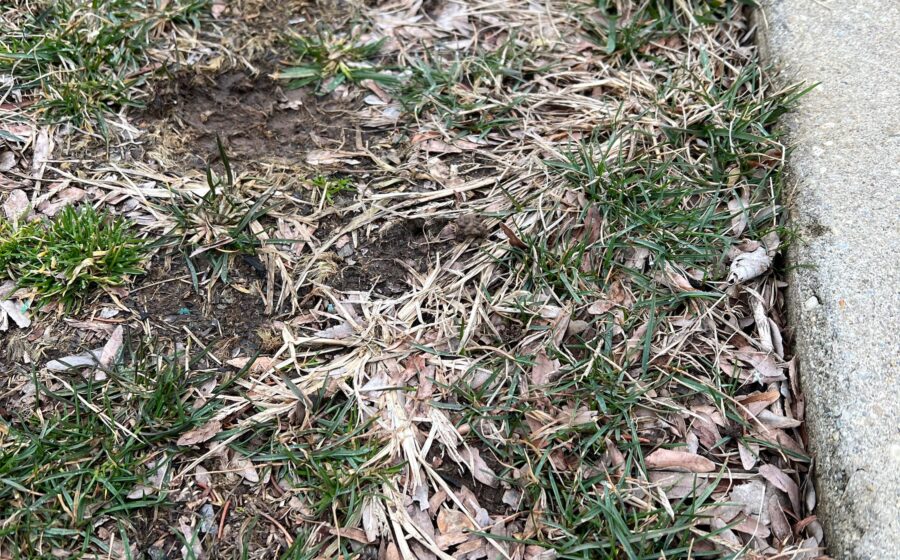
Crabgrass! Why the first two applications are so important…
Crabgrass is a warm-season annual that germinates, lives and dies all in the same year. While they live, each crabgrass plant produces up to 150,000 seeds. With hundreds of thousands of crabgrass seeds potentially waiting in your lawn, preventing their successful germination is essential.
A well timed application of pre-emergent and a good nutrient rich fertilizer will help stop that germination and invasion. Pre-emergents work by inhibiting seed germination and root development so that seeds can’t become established plants.
Because crabgrass preventers only work before crabgrass seedlings emerge through the soil, timing applications right is critical to success. Crabgrass starts germinating when soil temperatures warm to 55 degrees Fahrenheit for four to five days in a row. A few or more warm days will not be a factor as the soil temperature takes a little longer to rise.
If your lawn hasn’t been treated in the past, it could take 1-3 years to fully control crabgrass.
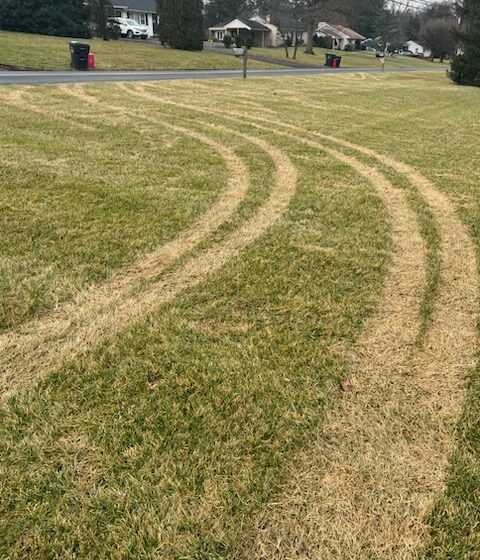
Frozen Grass Damage
Frozen grass is very delicate and can be damaged easily by foot traffic or cars driving over it. Most times the grass will recover in the spring growing season but it will look like an alien walked or drove over your lawn until then. It is best to keep traffic to a minimum on a frozen lawn.
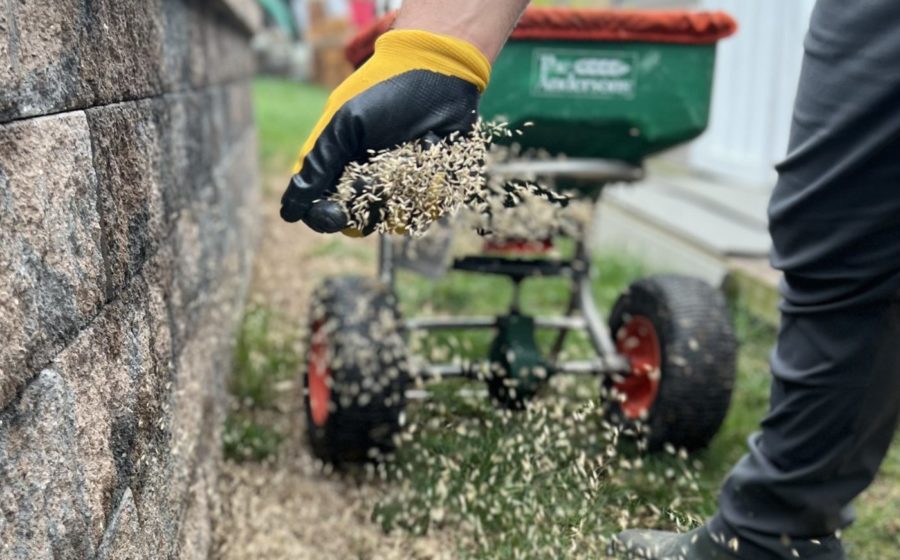
Aeration & Overseeding After Care Instructions
AERATION & OVERSEEDING
Before & After Care Guide
Aeration and overseeding is one of the best ways to improve the density, health and appearance of your lawn. The work we perform is only part of the process, the care your lawn receives afterward is just as important.
Please review the information below before and after your service. Following these recommendations will give your new seed the best opportunity to germinate and establish successfully.
BEFORE YOUR SERVICE
WHAT DO I NEED TO DO BEFORE SERVICE?
The most important thing is making sure we have clear access to the areas being treated.
Please remove toys, hoses, lawn furniture, decorations, pet items and other objects that may interfere with our equipment.
DO I NEED TO MARK SPRINKLER HEADS OR OTHER ITEMS?
YES!
Please clearly mark any items that may be hidden in the lawn or difficult for our technicians to see, including:
Sprinkler headsInvisible/electric dog fencesLow-voltage lightingIrrigation linesDrainage systemsInvisible pet containment systemsOther underground or surface-level itemsWe cannot be responsible for damage to unmarked sprinkler heads, irrigation systems, invisible fences, lighting, underground lines or other items that are not clearly marked before service.
If you have an underground system or item that you are unsure about, please mark its location before our crew arrives.
WHAT TO EXPECT AFTER YOUR SERVICE
MY LAWN LOOKS ROUGH. IS THAT NORMAL?
Absolutely!
Aeration and overseeding is not designed to leave your lawn looking perfectly manicured immediately after service. You may notice small soil plugs throughout the lawn, seed visible on the soil surface, areas of disturbed soil, tire or equipment marks, slightly rough or uneven areas. These are normal parts of the process and are necessary to create better seed-to-soil contact.
Don’t rake or clean up the lawn after service. Let the process work.
AFTER YOUR SERVICE
WATERING IS THE MOST IMPORTANT PART!
Once your service is completed, your new seed needs consistent moisture to germinate.
The goal is to keep the seedbed evenly moist, not saturated and not allowed to dry out.
Water lightly and frequently enough to keep the soil surface from drying out. Watering in the early morning or evening is ideal.
Continue this consistent watering until the new grass has germinated and begun establishing. That means watering every day for 14-21 days.
Do not rely on a specific number of minutes or hours. Every irrigation system and lawn is different. The amount of water needed depends on your soil, weather, irrigation coverage and exposure to sun.
Once the new grass is established, gradually transition back to your normal watering routine.
IMPORTANT: If the seed dries out during the germination process, it can significantly reduce germination.
SHOULD I PICK UP THE SOIL PLUGS?
No! Leave them where they are.
After core aeration, you’ll see small soil plugs scattered throughout your lawn. These are a normal and beneficial part of the process.
The plugs will naturally break apart through rainfall, watering and mowing, returning soil and organic matter back into the lawn.
There is no need to rake or remove them.
CAN I WALK ON THE LAWN AFTER AERATION & OVERSEEDING?
Try to keep foot traffic to a minimum.
Newly seeded areas are vulnerable while the seed is germinating and establishing. Excessive traffic can disturb the seed, compact the soil and damage young seedlings.
Keep unnecessary foot traffic off the lawn for at least two weeks.
Avoid heavy recreation, repeated walking and other unnecessary activity until the new grass has become established.
Pets can also cause significant damage to newly seeded areas, so please limit their activity whenever possible.
WHEN CAN I MOW?
Your existing grass may continue to grow after your service, but the new seedlings are very tender.
Ideally, wait until the new grass has germinated and established enough to tolerate mowing. When you do mow,
Use a sharp mower blade, mow when the lawn is relatively dry, keep your mower on a high setting—approximately 3½–4 inches, avoid turning sharply or making repeated passes over newly seeded areas and leave the grass clippings on the lawn whenever possible. Also, do not scalp the lawn, keeping the grass taller helps protect developing seedlings and encourages stronger root development.
HOW LONG DOES IT TAKE FOR THE GRASS TO GROW?
Germination time depends heavily on weather, soil temperature, moisture and the type of grass seed.
Under favorable conditions, you may begin seeing new grass in approximately 10–14 days. As temperatures cool, germination can take 14–28 days or longer.
Different seed varieties germinate at different rates, so don’t be concerned if some areas begin filling in before others.
Patience is important! Overseeding is a process, not an overnight transformation. The grass will continue to grow next spring as well.
WHEN WILL I SEE THE FULL RESULTS?
Your lawn will continue to thicken and mature after germination. The first few weeks are focused on getting the seed to germinate and establish roots, but the full results of your overseeding will not be visible immediately.
Your lawn will continue to develop throughout the fall as the new grass establishes and strengthens its root system. As winter arrives, the lawn will naturally enter dormancy and growth will slow or stop. This is completely normal and does not mean the new grass has failed.
When temperatures warm back up in the spring, your lawn will come out of dormancy and the new grass will resume active growth. This is when you will begin to see the true results of your fall aeration and overseeding.
Think of it as a process:
FALL → Germination & Establishment → WINTER → Dormancy → SPRING → New Growth & Final Results
Weather, soil conditions, moisture, sunlight and existing lawn conditions can all affect how quickly your lawn develops.
Be patient! A successful fall overseeding is an investment that continues working through the fall and winter, with the best results becoming evident as your lawn comes back to life in the spring.
THE BOTTOM LINE
WATER • STAY OFF • BE PATIENT
The three most important things you can do after your aeration and overseeding service are:
- WATER
Keep the seedbed consistently moist during germination. - STAY OFF THE LAWN
Limit foot and pet traffic while the new grass is germinating and establishing. - BE PATIENT
New grass doesn’t appear overnight. Weather, soil conditions and seed varieties all affect germination time.
Aeration and overseeding gives your lawn the opportunity to become thicker, healthier and more resilient—but proper aftercare is what helps turn that opportunity into results.
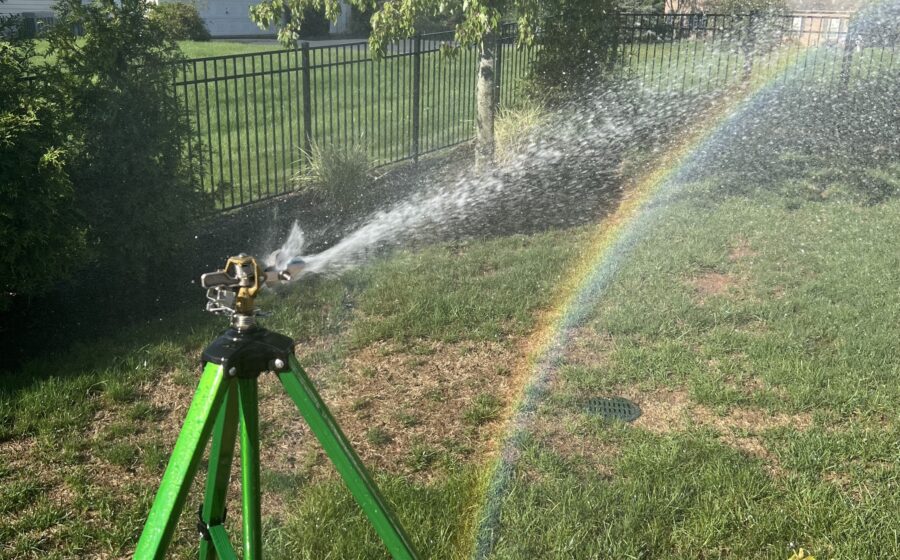
SHOULD WE WATER IN THE SPRING?
Not in most cases. But, (there’s always a but) it really does depend on the weather. In any typical year during April and May, Mother Nature will provide adequate rainfall for your turf. In some years, she may even provide too much moisture. In those cases, we would recommend our Fungicide Program to correct any issues that may arise.
In the extremely rare case of a dry May, we would recommend weekly watering, but of course, we will send you a note proactively to remind you. Check back in late May for updates on our Summer time watering advice.
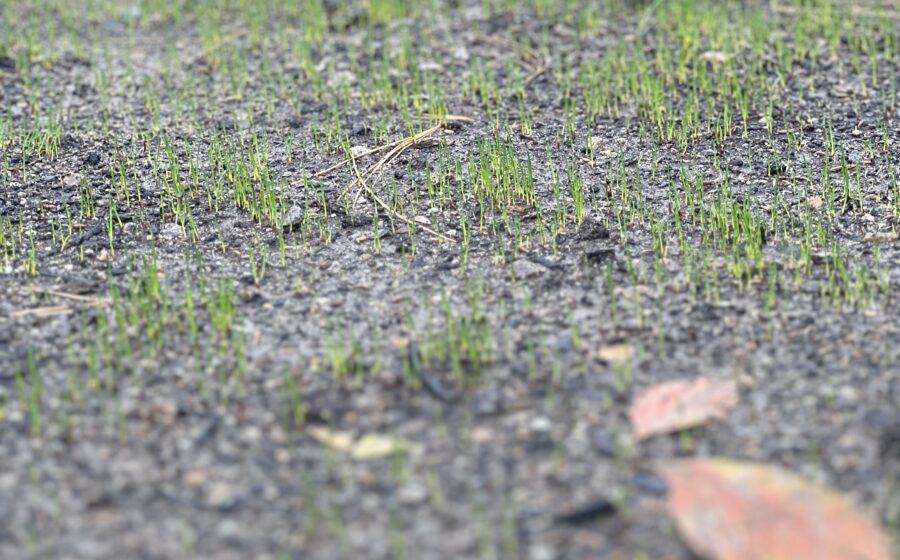
To Seed or Not to Seed???
Is it best to seed in the spring or the fall?
Our suggestion really depends on the project at hand. With that said, for most situations we would not recommend seeding in the spring and here is why…
It is the perfect time during the early spring months (March, April and May) to control weeds for the year. Applying a pre-emergent early in the spring is key to controlling your lawn’s nemesis, crabgrass! Without this application, you will be fighting those pesky weeds all year long.
Seeding in the spring can disrupt the timing and effectiveness of those pre-emergent applications. Also, early spring is generally not recommended because the plant does not have time to develop the deep root system needed to survive the hot summer.
Autumn has a great mix of warm soil and cool air which is ideal for seeding. This also gives the plant enough time for the root system to develop ahead of the winter months.